
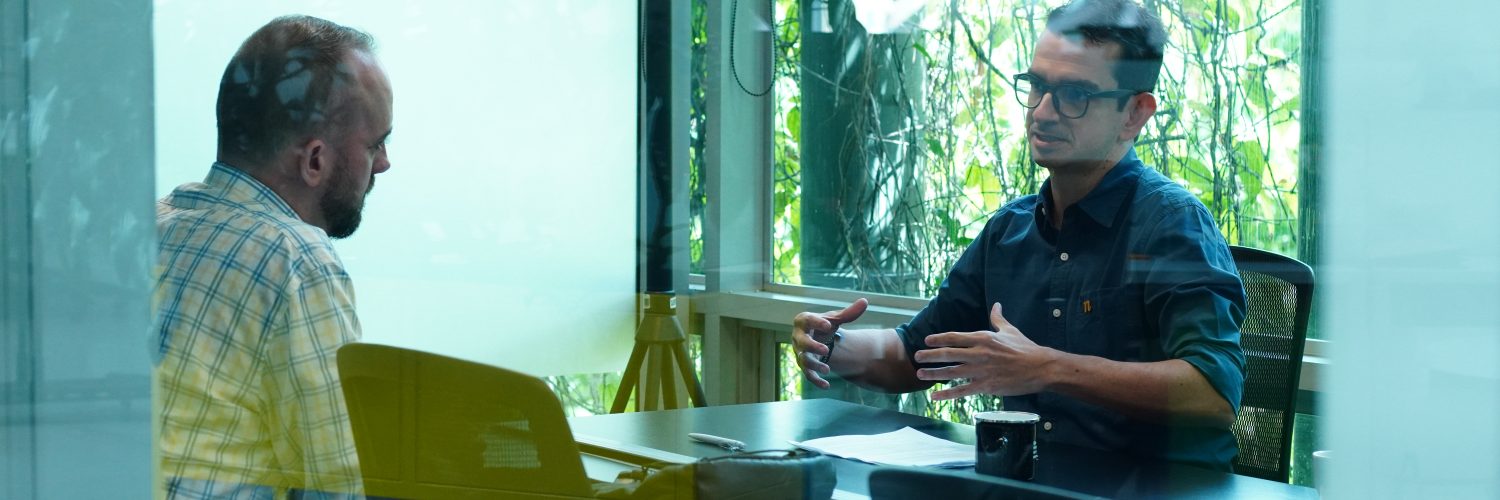
 Tim Zyla
Medellín had already established itself as a growing tech hub when the COVID-19 pandemic hit in 2020 and killed much of the city’s momentum in attracting U.S. business attention. It wasn’t down for long.
A resurgence has lifted Antioquia’s capital, causing some conversations surrounding gentrification taking place amongst locals as foreign investors and digital nomads embrace a renewed outlook on one of Colombia’s most famous cities with a tumultuous past.
The nearshore pitch — U.S. timezone alignment, growing talent base and rising, though competitive, wages — is holding true. ACI Medellín, the city’s investment promotion agency, says that between 2008 and 2023 the region landed 347 foreign investment projects worth about $3.5 billion, generating roughly 30,754 direct jobs. Tech services accounted for the biggest slice of those deals.
The pace has picked up recently. In 2024 alone Medellín drew $150 million across 23 projects, and by mid-2025 another 18 projects had already been recorded, valued around $168 million and expected to create more than 8,000 jobs. For U.S. buyers visiting Medellín, the momentum is visible on the ground.
At the heart of Medellín’s strategy is an institution called Ruta N. Created in 2009 by the mayor’s office and utility giant EPM, the hub is meant to act as a gateway for global companies, local talent, universities and researchers.
“We act as a connector by linking global companies with local talent, training programs and research institutions,” said Santiago Henao Restrepo, business development director at Ruta N. “That ecosystem didn’t exist 20 years ago.”
He added that Ruta N “isn’t just about office space. Our value is in connecting companies with universities, trainers and other corporates. We make sure they can actually find the talent they need to grow.”
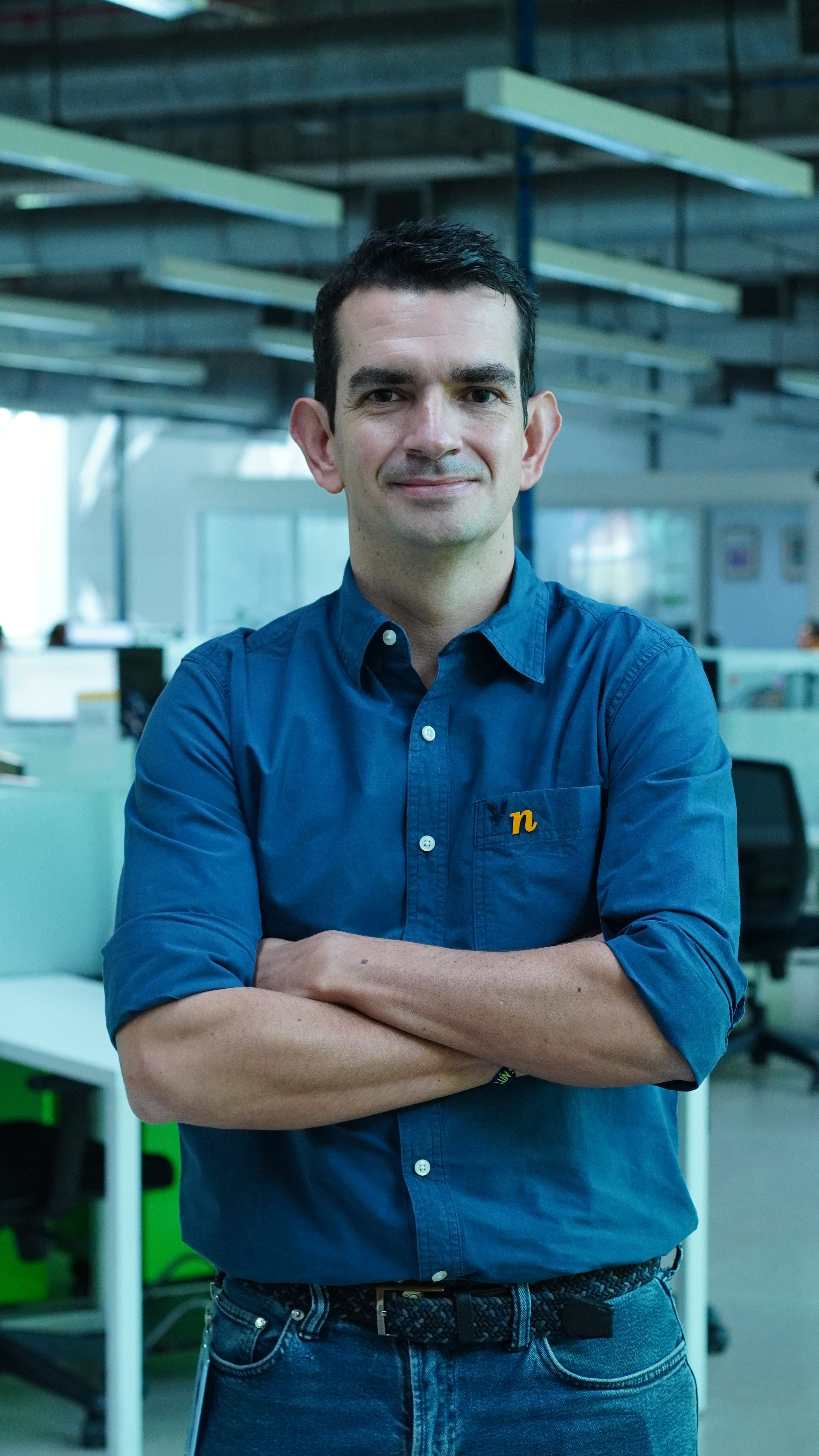
The agency even calls itself the “heart that drives innovation,” a phrase that captures its role in welcoming new companies and smoothing their entry.
The impact is visible. On an afternoon in late August, groups of high school students were wandering through the Ruta N lobby, snapping selfies with friends. Directly across the street sits the Universidad de Antioquia, one of the city’s main sources of engineering talent.
For U.S. companies, Ruta N’s role has practical benefits that include introductions to trusted recruiters and training providers, as well as links to dozens of “tech communities” where thousands of professionals in AI, analytics and video games network and train. Henao said the setup reflects a habit Medellín has developed of putting universities, companies and city officials at the same table.
“Thirty years ago, Medellín was dangerous and divided. Now companies, universities and government leaders sit at the same table to talk about how to grow the city together,” he said.
He pointed out that this kind of cooperation is not typical elsewhere. “In other cities, people wait for government to act. In Medellín, companies and universities step up and say, ‘If you can’t do it, we will.’ That spirit has changed the trajectory of the city.”
On the investment side, ACI Medellín plays the counterpart role. It promotes the city abroad, builds cases for investors, offers guidance on tax and legal issues and organizes landing agendas for visiting firms.
One challenge foreign buyers will notice is English. Colombia’s overall English proficiency ranks low worldwide, and while Medellín scores slightly higher than the national average, it still trails leading Latin peers. The EF 2024 index placed Colombia 74th out of 116 countries, with Medellín scoring 509. For U.S. firms, the takeaway is to expect gaps in client-facing English and be ready to fund training or layer on bilingual staff.
Ruta N and city agencies have tried to close the gap with bootcamps, teacher training and “hire-then-train” models. For technical roles that don’t involve direct customer interaction, companies report the engineering depth is already strong.
Artificial intelligence is one of Medellín’s banner areas.
In late 2024 the World Economic Forum confirmed its Centre for the Fourth Industrial Revolution would be based in Medellín, focused specifically on AI and GovTech. By early 2025, the city, Ruta N and WEF were already drafting a joint strategy. That presence signals to investors that Medellín is serious about becoming a global AI hub, with real pilot projects underway in schools, public services and city systems.
“AI is not going to replace people — it will replace people who don’t know how to use it,” Henao said, arguing that Medellín’s edge is a younger workforce learning AI skills earlier in their careers.
The question U.S. executives often ask — “will the demand hold up?” — has a lot to do with infrastructure as well.
A major step is coming with Puerto Antioquia, a deep-water port on the Gulf of Urabá. Expected to begin operations in 2025, the port will cut hundreds of kilometers off the current trucking routes to Cartagena and Buenaventura. For U.S. companies that blend software operations with manufacturing or need close ties to exporters, the new port could change the math.
But growth has its trade-offs. Medellín’s global image has made it a magnet for remote workers and digital nomads. Exact figures are fuzzy, but industry trackers estimate thousands arrive each month. That inflow has pushed up rents in popular neighborhoods. ACI says its goal is to turn nomads into contributors — investors, mentors and founders — rather than just visitors. Employers should budget with that housing pressure in mind.
For Nicolás Rodríguez Aristizábal, investment director at ACI Medellín, the key theme is trust.
“Today, we welcome delegations every week,” he said. “Our role is to provide market data, tax guidance and connections so companies can land successfully.”
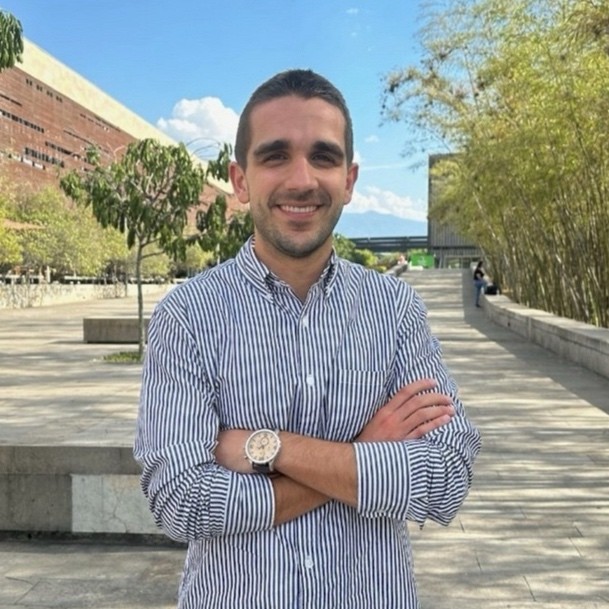
He stressed that investors see more than cost savings. “They see quality of life, they see a city where the private sector and universities are committed,” Rodríguez said. “That’s very different from what you find in some other parts of the region.”
He also pointed to the consistency of Medellín’s institutions.
“The CEOs of the biggest companies, the mayor and the universities sit down together once a month. That’s been happening for years, and it gives investors confidence that projects will outlast election cycles.”
For U.S. buyers, Medellín still lines up favorably against Mexico’s main tech cities, according to Henao. Salaries tend to run cheaper and the city’s ecosystem helps companies hire and settle in. The weaknesses are real — English gaps, rising wages in hot skill sets and pricier housing in expat neighborhoods — but Medellín is working on them. The new port is another wildcard, and its success will matter.
Henao, who has worked both in startups and corporate innovation, said the city has learned to “surf” through economic cycles by adjusting how it supports entrepreneurs and big employers. While corporate innovation budgets may shrink at times, he said, the steady pull from North American companies has not. Rodríguez puts it more directly, saying the city’s job is to make Medellín easy to land in and hard to leave.
“Companies are realizing Medellín offers the talent, infrastructure and quality of life that makes long-term investment possible,” he said.
For U.S. firms considering an RFP or scouting trip, the message is straightforward that Medellín has built the scaffolding to help new arrivals, and agencies like ACI Medellín and Ruta N are there to make a first-year landing stick.





Add comment