
 Narayan Ammachchi
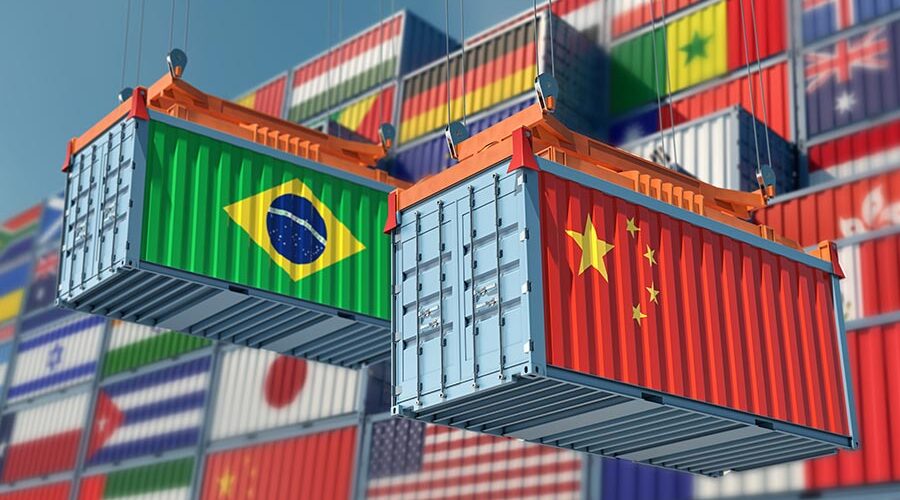
In a striking move to deepen its Latin American ties, China has unveiled visa-free access for citizens of five key countries — Brazil, Argentina, Chile, Peru and Uruguay.
This pilot policy will run from June 1 to May 31, 2026, and is aimed at supercharging business, tourism and diplomatic connections.
Under the new rules, travelers from those five LATAM countries can stay in China for up to 30 days without a visa. However, those wishing to remain longer will still need to apply through the traditional visa system.
Until now, businesspeople from Latin America faced delays — often waiting nearly a month for a Chinese visa — and were required to declare specific destinations within the country to obtain approval.
That red tape is gone. Now, Latin American entrepreneurs from the five countries can hop on a plane and head straight to major trade events like the Canton Fair or the China International Import Expo.
The timing couldn’t be better. Trade between China and Latin America has skyrocketed — from under $15 billion in 2000 to over $518 billion in 2024. China is now one of the region’s largest trading partners.
China importers purchase a large amount of commodities like oil, lithium, soy and beef, while exporting electronics, textiles, vehicles, solar panels, trains, construction goods and machinery.
With easier travel, Latin exporters can now directly engage Chinese buyers, study consumer trends, and fine-tune their packaging, branding, and logistics.
Beyond Trade: A Soft Power Surge
“This change not only affects trade but also opens the door to increased educational and cultural exchange,” said Nancy Lee, an education consultant at ApplyForChina.com.
At a recent summit with Latin American leaders in Beijing, China announced 3,500 scholarships for South American students and committed to providing skills training for 10,000 individuals over the next two years. “Now, we expect a significant rise in Latin American students studying in China,” Lee told Nearshore Americas.
The push doesn’t stop there. China will also dispatch 300 industry experts to Latin American countries to train local graduates in poverty reduction techniques.
China’s outreach has not gone unnoticed. The move to waive visas for Latin American countries is triggering concern in Washington.
Last week, Secretary of State Marco Rubio cited security concerns when he announced the U.S. would begin revoking the visas of Chinese students that are studying in critical fields or have ties to the Communist Party in China.
Though the eastern superpower has long been labeled “secretive,” especially under its communist government, China has shifted gears since the COVID-19 pandemic — opening up tourist sites and offering visa-free travel to several European nations. This trend appears to be accelerating amidst the United States’ push to reduce immigration.

“This is China streamlining access to a continent rich in resources but weak in institutional cohesion,” said Irina Tsukerman, a geopolitical risk advisor with Scarab Rising Inc.
Tsukerman blames President Donald Trump’s ‘menacing rhetoric and transactionalism’ for pushing Latin American nations closer to China.
“Trump’s increased pressure, moral lectures, and economic threats offered no real alternatives,” she said. “In geopolitics, a vacuum always gets filled. Beijing isn’t bullying its way in — it’s charming its way across a region fatigued by Washington’s inconsistencies.”
The Bigger Strategy at Play
Kit Conklin, a former senior advisor to the U.S. House Select Committee on China and now a VP at supply chain firm Exiger, calls the visa-free move a strategic tool.
“Visa-free access will accelerate Chinese commercial entrenchment in Latin markets without reciprocal benefits for local citizens and companies,” he warned. Unless it’s matched by fair trade standards and enforceable reciprocity, Conklin argues, Latin America may be handing over leverage to Beijing.

And China’s deeper strategy is already visible on the ground. Over the past two decades, Beijing has built a sweeping logistics network across the region — ports, highways, and trade corridors designed to fast-track Chinese goods.
The Chancay port in Peru, funded by China, stands out as a new gateway to the Pacific. Even more ambitious is a rail corridor linking Brazil’s Atlantic coast to Peru’s Pacific ports — bypassing the Panama Canal and giving China a direct land route across South America.
These projects are not just infrastructure upgrades—they’re economic pipelines. And the results are telling: Chinese exports to Latin America surged to $300 billion last year.







Add comment