

 Tim Zyla
In a country where the tech industry is mostly thriving in the major metro hubs, a quieter transformation is underway in Paraná, Argentina, the capital of Entre Ríos province. A coalition of entrepreneurs, educators and private investors — guided by well-respected Argentine technology veteran Carlos Pallotti — is working to turn the midsize riverside city into a competitive hub for innovation and exportable services.
Entre Ríos is a province that accounts for just 1.5 million of Argentina’s 45 million people. Paraná’s population is about 270,000, or 310,000 if accounting for the immediate metropolitan area.
“We are working in this project with Paraná, in combination with the Entre Ríos province,” Pallotti said. “The province helps us to provide good connectivity, to open new training classes, and to prepare people in this place — to do everything from here, not move people to other places.”
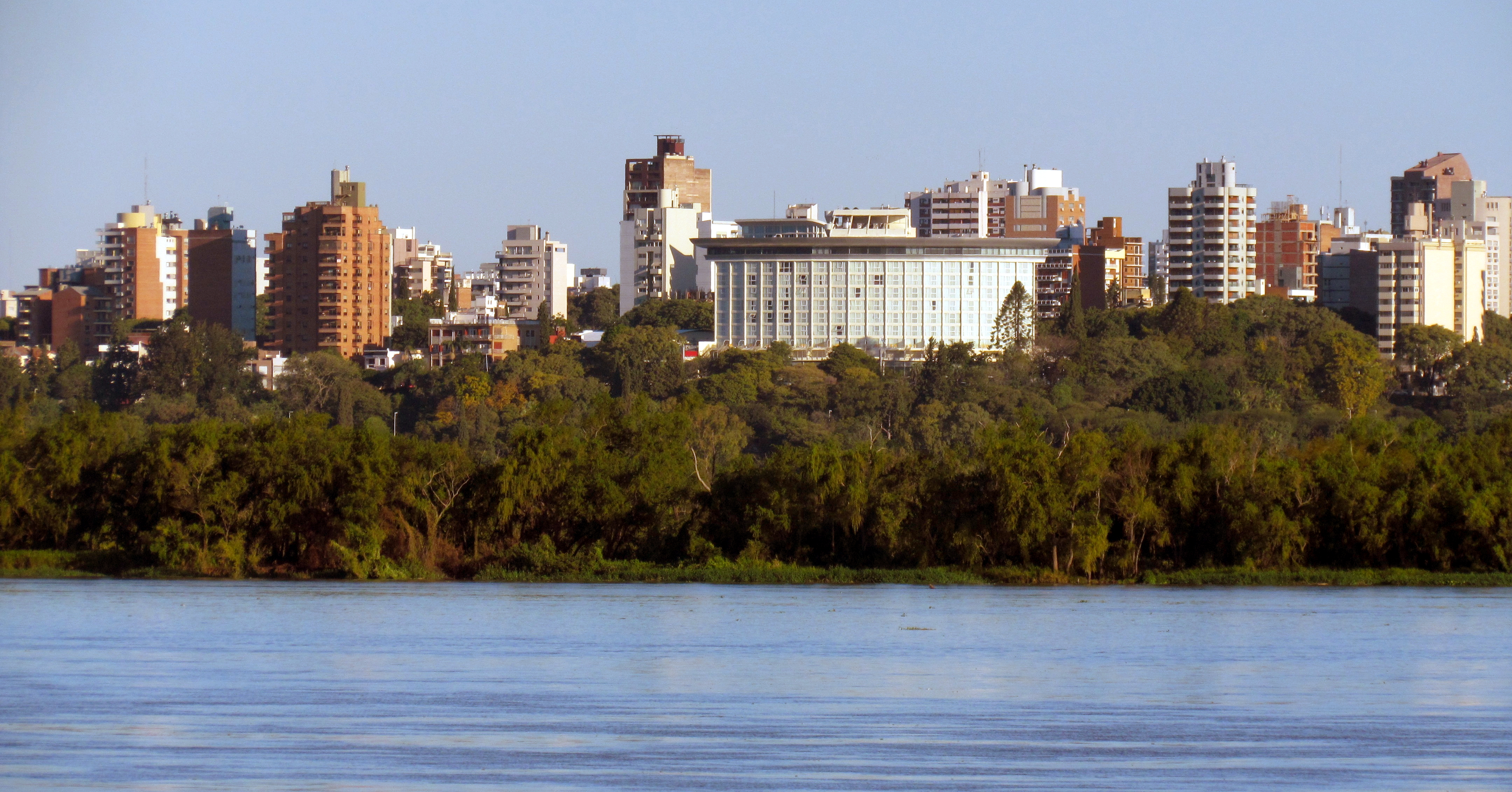
That project, known as MiradorTEC, was announced in late 2024 and is already nearing completion. It features an 8,000-square-meter facility with room for 43 offices and laboratories, seven meeting rooms and space for recreational activities. The website promoting the facility estimates it and receive and connect up to 600 people daily.
A Rare Tech Surplus
Pallotti, a longtime software executive who once led Argentina’s national technology development agency under President Mauricio Macri, is currently consulting with governments and localities to grow regional tech economies. Paraná, he said, is an ideal candidate for a makeover under Governor Rogelio Frigerio.
Argentina exports roughly $9 billion annually in knowledge-based services, including software development, engineering and business process outsourcing. Pallotti said this outpaces the country’s annual tech imports — a rare surplus that makes continued investment in the sector a national priority.
“The software industry is an important source of revenue for Argentina,” he said. “And we are trying to grow faster in the exportation market — especially from new regions.”

That growth requires more than talent alone. Pallotti emphasized that strong tech economies are built on three pillars: private companies, educational institutions, and local or regional governments willing to invest and coordinate efforts.
“This kind of activity — to promote or grow clusters of companies — is a combination between three main factors,” he said. “One, obviously, is private companies. The second is universities or community schools, many places where people are trained. And the last one is government. When you have the three parts working together, it’s possible. Without one, it’s more difficult.”
Finding Momentum From the Private Sector
In Paraná, this model is taking physical shape. A new technology center is being developed with private funding — not by the government itself, Pallotti clarified, but by local investors, including an insurance company that is financing construction of a large commercial building where tech firms will be able to rent space.
“The money to invest in this building is from a private company,” Pallotti said. “Then the companies rent space in this building. It’s very interesting.”
While Buenos Aires remains Argentina’s tech capital, Pallotti and others believe long-term sustainability requires decentralization — keeping talent rooted in smaller cities. That includes Paraná and even more rural areas.
“This is exactly my target,” he said. “To give people the possibility to work in their own town, in their own city — including small towns — without needing to move.”
He believes the pandemic helped shift perceptions in Argentina, opening the door to more remote and distributed work.
“People love to live in their own town, in a small neighborhood, in the place where they were born,” Pallotti said. “That is why we are working in regions to provide services without moving people to other parts of the country.”
Designing a Trade Ecosystem
Pallotti is no stranger to these challenges. Decades ago, he ran his own software companies across Latin America and the United States, including a U.S. venture that sold in 2006. Since then, he has worked to help governments understand how to cultivate tech ecosystems and connect local firms to foreign markets.
That connection to export markets is essential, he said — but too often misunderstood.
“It’s not the same thing you need to do in California as in New York or Pennsylvania,” he said of U.S. clients. “They are different regions, different cultures, different types of businesses.”
What’s needed, he said, is planning and strategic vision — a role for governments to play not by building businesses themselves, but by laying the groundwork for clusters to emerge and compete globally.
“The role of the state is to help with plans and ideas,” he said. “To promote the region, to open some doors. The companies will go ahead with the business — because companies do business — but the government can promote the region and help build a rational economy around the technology industry.”
Pallotti said he chooses to work only with governments that are aligned with that vision. “In my case, I work with governments that want to do this the right way,” he said. “For example, a governor might say, ‘Carlos, I want to convert my state into a technological state.’ That’s when I get involved — to help attract investors and grow the economy through technology.”
Paraná at a glance
Population: 310,000, metro area
Education: Autonomous University of Entre Rios
Connectivity: General Justo José de Urquiza Airport, located in Paraná
English abilities: Argentina is second of 21 Latin American countries in English speaking proficiency. When the country is broken down into regions, the Entre Ríos province is in the top 33% in English proficiency.







Add comment