

 Tim Zyla
MIAMI — Shifting visa rules, evolving legal frameworks, rising compliance demands, and fresh investment opportunities will all be on the table when three Latin American business leaders join Nearshore Americas Managing Editor Tim Zyla for a panel discussion at its annual Nexus conference.
The session, slated for the morning of Oct. 9, brings together Lucía Vargas, tax partner at JA Del Rio, Susana Sierra, CEO of BH Compliance, and Sergio Legorreta, partner at FisherBroyles, to unpack what foreign investors and outsourcing buyers need to know as they weigh opportunities in the region.
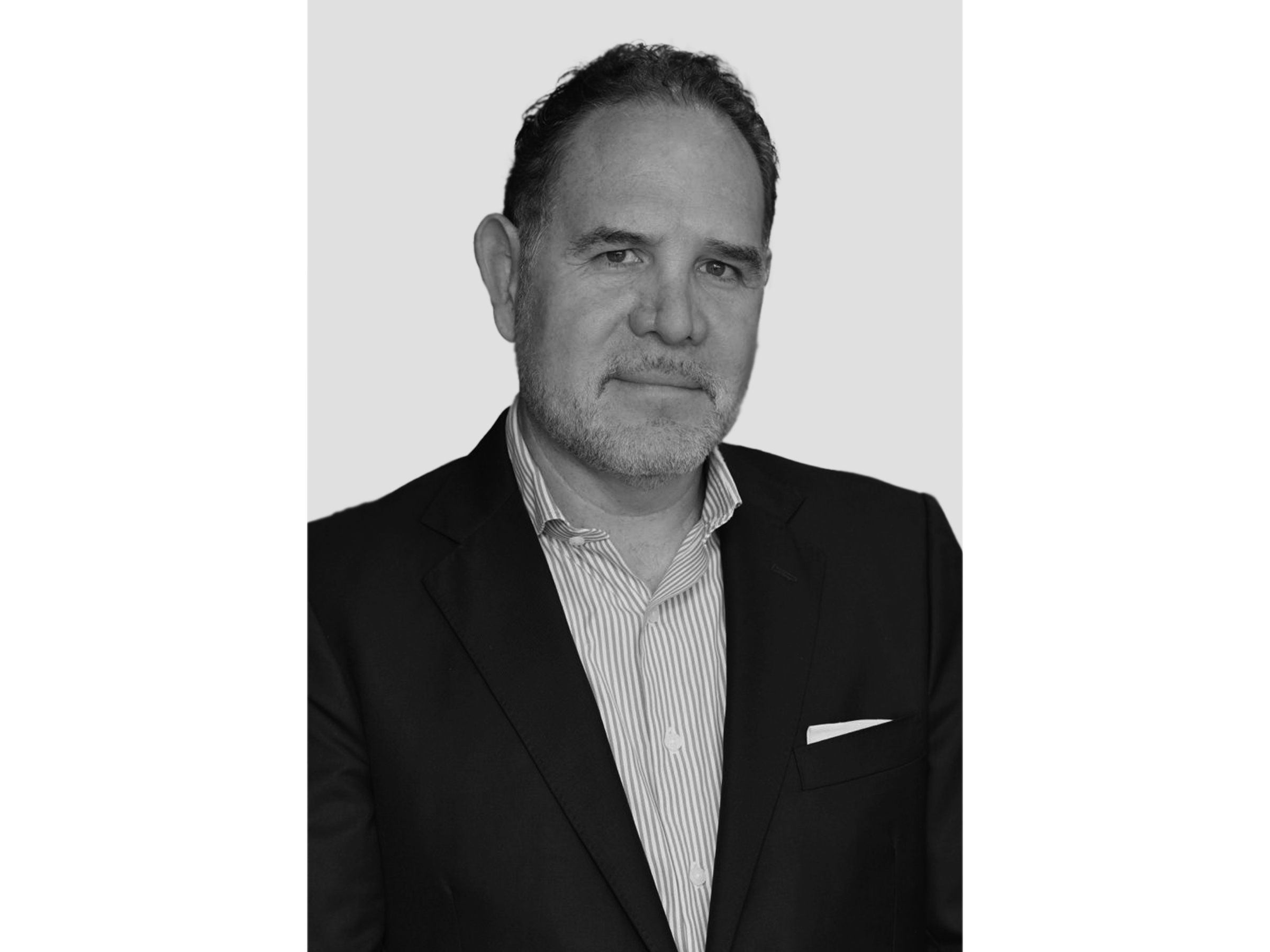
For Legorreta, a lawyer with extensive cross-border experience, one of the most pressing issues is how frequent changes in U.S. visa policy are reshaping talent strategies.
Registration Open for Nexus Miami
“Companies are exploring how to move people and skills into Latin America more efficiently,” he noted during a pre-panel discussion. Ongoing judicial changes in Mexico, where shifts in how judges are appointed and how cases are processed, could have long-term implications for international businesses. Legal reforms, he argued, represent both challenges and opportunities, depending on how companies approach them.
At the same time, tariffs and indirect trade barriers continue to be a nagging concern. While services themselves are not subject to tariffs, Legorreta emphasized that equipment imports and infrastructure development can be hindered by customs delays and higher costs, thereby complicating the rollout of BPO and IT projects.
“It’s not always the tariff itself — it’s the bottlenecks that create inefficiencies,” he said.
Regulation, Reputation and Risk
Sierra, who specializes in compliance and corporate integrity, will help spotlight a different dimension: the growing regulatory response to crime and security issues across Latin America.
She warns that companies today face far more than fines or penalties. The larger threat, she argued, is reputational damage that can trigger international investigations.
“The real danger is often not committing a crime, but being accused of one,” Sierra said.

That makes robust compliance programs — and documented proof of preventive measures — essential for any firm entering the market.
Sierra also noted that governments in the region are increasingly leaning on regulation as a catch-all solution, tightening corporate liability laws that force companies to prove they’re doing everything possible to stay compliant.
“The reputational risk is enormous,” she added.
Costa Rica’s Competitive Edge
Vargas will use her seat on the panel to showcase Costa Rica’s strengths as a service-sector hub. She cited the country’sFree Trade Zone regime, which allows qualified companies to eliminate corporate income tax liabilities, creating a powerful incentive for multinationals to base BPO and technology operations there.

“For a nation of just five million people to host nearly 400 multinational companies says something about its competitiveness,” Vargas explained. She highlighted growth areas like cybersecurity, data analytics, and shared service centers, all of which benefit from Costa Rica’s bilingual talent base and stable political environment.
“Companies are no longer deciding where to set up based only on cost,” she said. “They’re thinking strategically about stability, tax regimes and talent.”
Uncertainty as a Common Thread
Despite the different angles each panelist brings, one theme runs throughout: uncertainty. From shifting visa rules to tariffs, new compliance demands, and unpredictable U.S. foreign policy, companies are facing a harder time planning five years into the future. Yet that very volatility, the panelists agreed, may push more organizations to look at Latin America as a practical solution.
The 45-minute discussion will balance legal, compliance, and market perspectives, with 5-10 minutes reserved for audience questions. Attendees can expect a candid, sometimes provocative, exchange that will not only highlight the risks but also point toward the emerging opportunities in a region that is “open for business,” as Legorreta put it.







Add comment