
 Narayan Ammachchi
The United States and Mexico reached a agreement to screen foreign investment, a move widely seen as a response to China’s growing economic influence in the region.
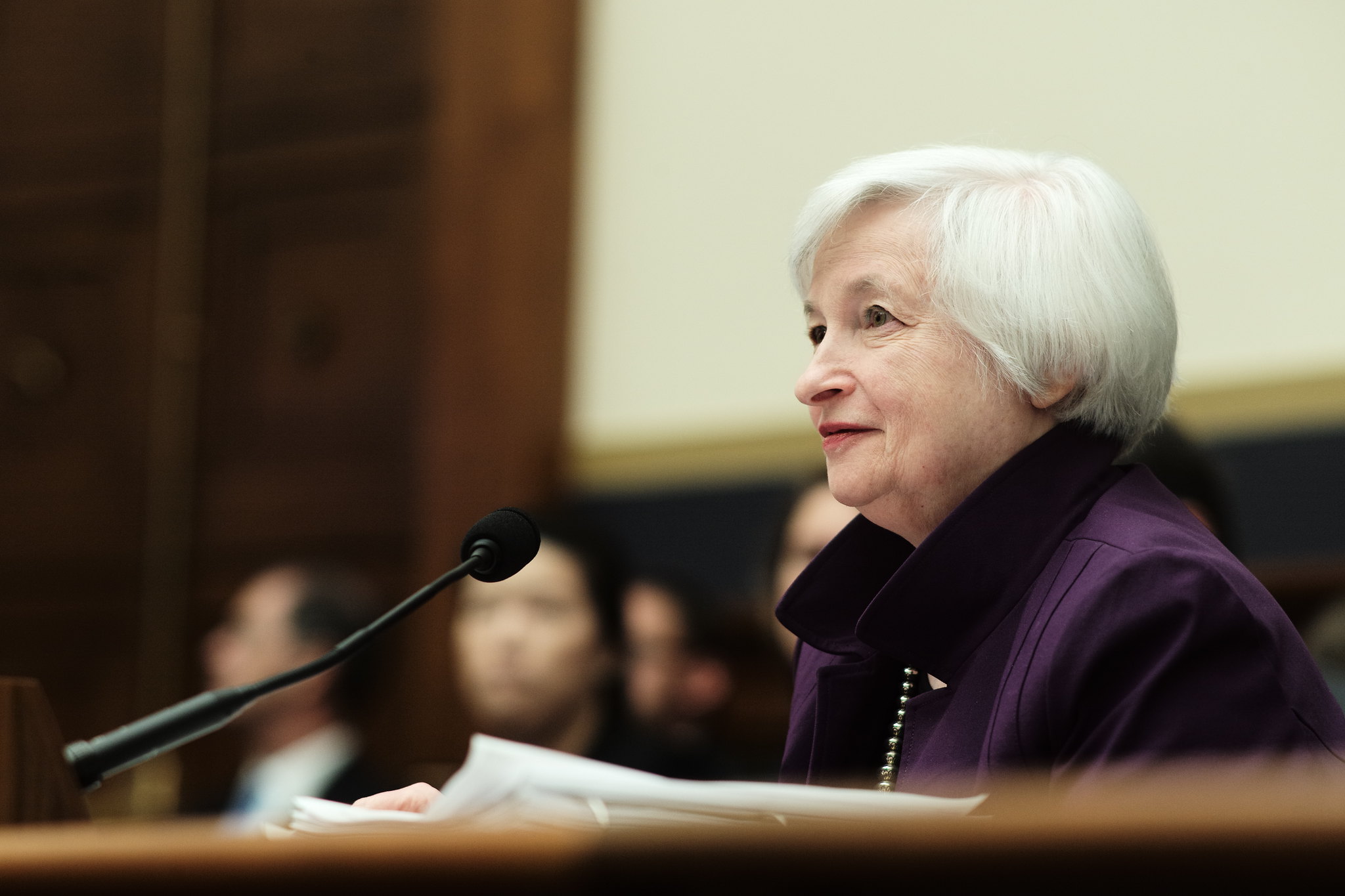
The agreement, announced by US Treasury Secretary Janet Yellen in Mexico City, paves the way for closer cooperation between the two nations on matters of national security and economic prosperity.
Today, I joined Secretary Rogelio Ramirez de la O to announce that the U.S. and Mexico intend to establish a bilateral working group on foreign investment review. Working together to guard against foreign investments that pose national security risks benefits both our nations. pic.twitter.com/Na0ACaSYgA
— Secretary Janet Yellen (@SecYellen) December 8, 2023
At the heart of the agreement lies the establishment of a Mexican agency akin to the US’s Committee on Foreign Investment (CFIUS). This agency will be tasked with reviewing all foreign investments, scrutinizing potential national security risks and ensuring that critical infrastructure and sensitive technologies remain under trusted control.
Such scrutiny is crucial for the United States. Many American manufacturers are shifting production facilities from China to Mexico in response to high tariffs imposed by the White House. This trend, dubbed “nearshoring,” has resulted in a surge of investment into Mexico, with over US$31 billion flowing into the country in the first nine months of 2023 alone.
The presence of Chinese companies in Mexico is already significant. Soon after Tesla announced its US$5 billion investment in EV production, a Chinese company established its electric vehicle plant in the country. Additionally, Chinese telecom giant Huawei (which has been banned from operating in the US) maintains extensive operations in Mexico.
The United States-Mexico-Canada Agreement (USMCA), a cornerstone of the Mexican economy, incentivizes American manufacturers to move their production to Mexico. The new agreement on foreign investment screening could create a more complex and potentially less favorable environment for Chinese companies seeking to do business in the region.







Add comment