
 Narayan Ammachchi
Online retail giant Amazon is pouring $10 billion into satellite internet to connect remote communities across South America.
The service, called Amazon Leo, will take on Starlink, Elon Musk’s satellite network that already has thousands of users in the region.
Amazon has put a former Starlink executive in charge of the project. Reports say the company has already launched more than 3,000 low-Earth orbit satellites under Project Kuiper, the backbone of its satellite internet plan.
The push comes as internet access remains a major gap. About 200 million people in South America have weak or no internet, according to the World Bank. In many countries, telecom companies avoid remote areas, citing rough terrain, low population density, and poor financial returns.
Amazon had earlier planned to launch the service this year. It now says commercial operations will begin in mid-2026.
Analysts believe Amazon’s strong regional footprint, especially its well-established logistics network, could give it an advantage over Starlink.
Amazon Leo will roll out from south to north, starting with Brazil, Argentina, Colombia, Chile, Ecuador, and Uruguay. The company will work with Sky and DirecTV to distribute the service.
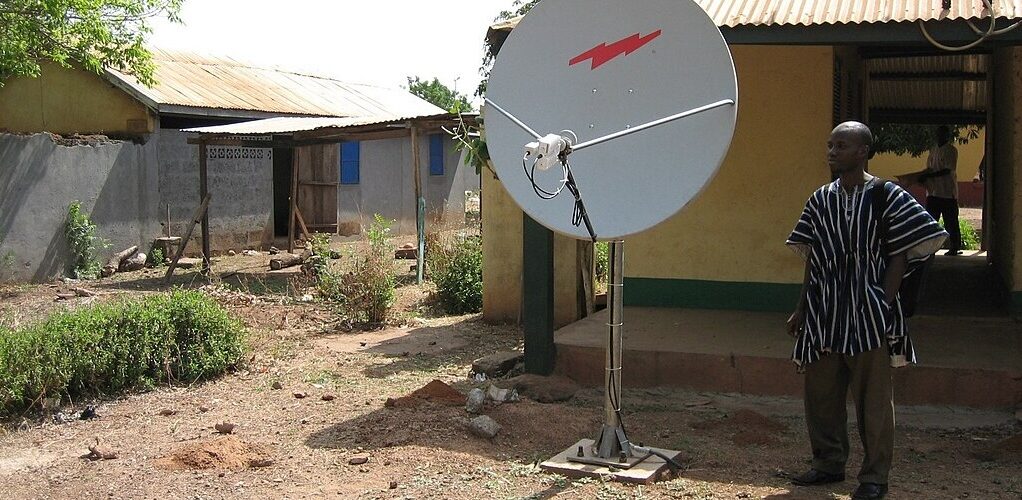
Users will receive portable antennas with their subscriptions, allowing them to stay connected while traveling within their country.
Still, analysts caution that success will depend on ground infrastructure. Building and maintaining ground stations to link satellites to users is complex—and expensive.







Add comment